
Global Conference on Public Health & Epidemiology
October 22-24, 2026

Dementia
Dementia is a group of conditions characterized by progressive decline in cognitive function that interferes with daily activities and independence. It affects memory, thinking, reasoning, language, and behavior, and is most common in older adults. Alzheimer’s disease is the leading cause of dementia, followed by vascular dementia and other types. Symptoms often begin with mild forgetfulness and gradually worsen over time, leading to confusion, difficulty communicating, and changes in personality. Dementia is caused by damage to brain cells, which affects their ability to communicate with each other. Although there is no cure, early diagnosis allows better symptom management and planning of care. Treatment focuses on medications to slow progression, cognitive therapies, and supportive care. Public health efforts emphasize awareness, risk reduction through healthy lifestyles, caregiver support, and development of dementia-friendly communities to improve quality of life.
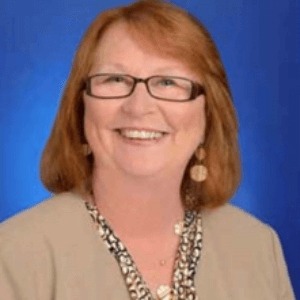
Adele Ann Webb
Strategic Education, Inc., United States
Ann Marie Leonard Zabel
Curry College, United States
Thomas J Webster
Brown University, United States
Mariano Votta
Italian NGO Cittadinanzattiva, Italy
Ashot Khachatryan
National Academy of Sciences of the Republic of Armenia, Armenia
Ches Jones
University of Arkansas, United States
Adeva A Elem
Mercer University, United StatesSubmit your abstract Today


Title : Artificial radionuclides and evolutionary mismatch: Vulnerability of the colon, pancreas, diabetes, and arteries
Sebastiano Venturi, Department of Public Health of Rimini, Italy
Title : Specific strategies over the life course for early identification, prevention, treatment, and long-term support
Christopher Ashton, Center for Recovery, Canada
Title : Population health, public health and the social determinants of health: The state of the science
Adele Ann Webb, Strategic Education, Inc., United States
Title : The nutritional management of healthy menu plans
Iuliana Vintila, Dunărea de Jos University of Galați, Romania
Title : Healthcare system profiles and pandemic outcomes: A cross-country multi-dimensional scaling analysis of Cuba, Spain, Italy, and Germany
Giuseppe Orlando, University of Bari Aldo Moro, Italy
Title : Change your genes – change your life: Epigenetics of longevity
Kenneth R Pelletier, USCF School of Medicine, United States