
Global Conference on Public Health & Epidemiology
October 22-24, 2026

Oral Care
Oral Care refers to the practices and measures taken to maintain the health of the mouth, teeth, gums, and overall oral cavity. Good oral care is essential for preventing dental problems such as cavities, gum disease, bad breath, and oral infections. It also contributes to overall health, as poor oral hygiene is linked to conditions like heart disease, diabetes, and respiratory infections. Basic oral care includes brushing teeth twice daily with fluoride toothpaste, flossing regularly, and limiting sugary foods and drinks. Regular dental checkups and professional cleanings help detect problems early and prevent complications. Public health programs promote oral care through education, community dental services, and access to affordable dental treatment. Encouraging good oral hygiene from an early age supports lifelong dental health, improves confidence, and enhances overall quality of life.

Adele Ann Webb
Strategic Education, Inc., United States
Ann Marie Leonard Zabel
Curry College, United States
Thomas J Webster
Brown University, United States
Mariano Votta
Italian NGO Cittadinanzattiva, Italy
Ashot Khachatryan
National Academy of Sciences of the Republic of Armenia, Armenia
Ches Jones
University of Arkansas, United States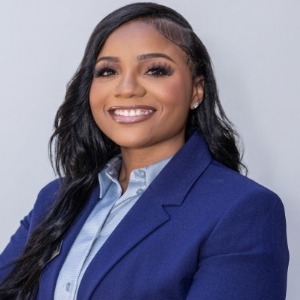
Adeva A Elem
Mercer University, United StatesSubmit your abstract Today


Title : Artificial radionuclides and evolutionary mismatch: Vulnerability of the colon, pancreas, diabetes, and arteries
Sebastiano Venturi, Department of Public Health of Rimini, Italy
Title : Specific strategies over the life course for early identification, prevention, treatment, and long-term support
Christopher Ashton, Center for Recovery, Canada
Title : Population health, public health and the social determinants of health: The state of the science
Adele Ann Webb, Strategic Education, Inc., United States
Title : The nutritional management of healthy menu plans
Iuliana Vintila, Dunărea de Jos University of Galați, Romania
Title : Healthcare system profiles and pandemic outcomes: A cross-country multi-dimensional scaling analysis of Cuba, Spain, Italy, and Germany
Giuseppe Orlando, University of Bari Aldo Moro, Italy
Title : Change your genes – change your life: Epigenetics of longevity
Kenneth R Pelletier, USCF School of Medicine, United States