
Global Conference on Public Health & Epidemiology
October 22-24, 2026

Tribal Public Health Emergency Preparedness Training
Tribal Public Health Emergency Preparedness Training focuses on building the capacity of tribal communities to prepare for, respond to, and recover from public health emergencies. These emergencies may include infectious disease outbreaks, natural disasters, environmental hazards, and climate-related events. Training programs emphasize culturally appropriate approaches, community leadership, and respect for tribal sovereignty. Key components include emergency planning, risk communication, disease surveillance, coordination with local and national agencies, and protection of vulnerable community members. In public health, strengthening emergency preparedness in tribal settings helps reduce health disparities and improves resilience. Training also supports workforce development, interagency collaboration, and community trust. By empowering tribal public health systems with skills and resources, emergency preparedness training enhances health security, protects cultural continuity, and supports sustainable, community-led public health responses.

Adele Ann Webb
Strategic Education, Inc., United States
Ann Marie Leonard Zabel
Curry College, United States
Thomas J Webster
Brown University, United States
Mariano Votta
Italian NGO Cittadinanzattiva, Italy
Ashot Khachatryan
National Academy of Sciences of the Republic of Armenia, Armenia
Ches Jones
University of Arkansas, United States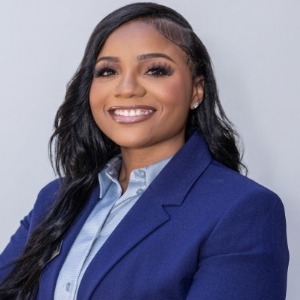
Adeva A Elem
Mercer University, United StatesSubmit your abstract Today


Title : Artificial radionuclides and evolutionary mismatch: Vulnerability of the colon, pancreas, diabetes, and arteries
Sebastiano Venturi, Department of Public Health of Rimini, Italy
Title : Specific strategies over the life course for early identification, prevention, treatment, and long-term support
Christopher Ashton, Center for Recovery, Canada
Title : Population health, public health and the social determinants of health: The state of the science
Adele Ann Webb, Strategic Education, Inc., United States
Title : The nutritional management of healthy menu plans
Iuliana Vintila, Dunărea de Jos University of Galați, Romania
Title : Healthcare system profiles and pandemic outcomes: A cross-country multi-dimensional scaling analysis of Cuba, Spain, Italy, and Germany
Giuseppe Orlando, University of Bari Aldo Moro, Italy
Title : Change your genes – change your life: Epigenetics of longevity
Kenneth R Pelletier, USCF School of Medicine, United States